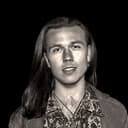

2026 · Collaboration
För att dö, måste vi leva
2026 · with Emil Nordström · Swedish
From the album Längs med vägen
The story behind the song
Life and death are closer neighbours than we like to admit. A child is born in the same season that someone older leaves us. A loss can bring relief and pain in the same breath. And in the quiet afterwards, if we let it, something starts to grow. This song stays with that moment. It isn't really about grief, but about what grief makes room for: acceptance, and the life that begins in the empty space. Giving up, in the way this song means it, is not surrender. It is an active choice to let go, and it takes courage.
The song took its shape from a very old story. I'm a storyteller, and when I studied storytelling at Mezrab in Amsterdam, I began to notice how ancient stories keep working on us long after we've stopped telling them. They sit in the background of our lives and quietly shape what we think is possible. I went looking in the Finnish Kalevala and in the Norse myths, and one figure kept drawing me back: Odin.
Odin is the chief of the Norse gods, lord of wisdom, poetry and the runes, and a restless seeker who is never satisfied with what he knows. He gave up an eye for a drink from the well of wisdom. Then he hung himself in Yggdrasil, the world tree, for nine nights, wounded by his own spear, “given to Odin, himself to himself.” No one offered him bread or drink. Only when he had nothing left to hold on to did the runes appear beneath him, the magic signs behind the art of words. He reached down, took them, and fell. He crossed the edge of death and came back with something new.
I know that picture from my own writing. I've sat in front of a blank page, written a line, deleted it, written it again, and got nowhere. The harder I fought, the quieter the page became. The words arrived when I stopped trying to force them. Writing a song is a small version of Odin's tree: you hang there until you let go, and then something new has room to arrive.
The song was born out of my storytelling show Myths Unplugged, which I performed at the Alden Biesen festival, and it belongs to the album Längs med vägen, which I made together with Emil Nordström.
Emil and I met while studying music in Jakobstad, and we've been playing together ever since: in bands, in orchestras, and now on this album. He is a guitarist, a producer and a music teacher, and on this song he did most of what shapes the sound you hear. He produced it, wrote the arrangement, played the electric guitar and mixed it.
We gathered the band at Midas Studio in Replot: Tuukka Aitoaho on drums and percussion, Stefan Lindblom on bass, Johnny Nordström on piano and organ, Emil on guitar, and me on vocals and acoustic guitar. Afterwards a horn section from Jakobstad joined in, with Anders Sjölind on trumpet and trombone and Robin Käldström on saxophone. Stefan Backas engineered the recording, and Maria Triana in the Netherlands mastered the song.
Making it with so many hands felt fitting for a song about letting go.
The Lyric
Om du kan leva för evigt Varför väljer du att dö? Om du kan se till världens ände Varför sår du nya frön? För att dö Måste vi leva För att leva Måste vi dö Efter vinter, blir det vår Sånt du förstår, när du blir äldre Att dagar kommer, dagar går Tills våra dagar nått sin ände För att dö Måste vi leva För att leva Måste vi dö Varje historia Vi bär på tre delar Att födas, att leva och sen att förgöras Ödets tre systrar Jag kan existera För att du låter mig gå För att dö Måste vi leva För att leva Måste vi dö
Part of the album
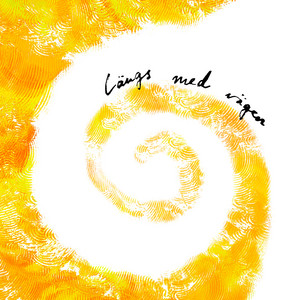
Längs med vägen
with Emil Nordström · Swedish
See the album
Credits
Erik Sjøholm
Lead vocals, backing vocals, acoustic guitar
Emil Nordström
Production, arrangement, mixing, electric guitar
Johnny Nordström
Piano, organ
Tuukka Aitoaho
Drums, percussion
Stefan Lindblom
Bass
Anders Sjölind
Trumpet, trombone
Robin Käldström
Saxophone
Stefan Backas
Recording engineering
Maria Triana
Mastering (Amsterdam)
Keep in touch
Hear what I make next.